The most revealing detail in the latest accounting of America’s war with Iran is not the dollar figure attached to the wreckage, large as it is. It is the destination the Pentagon is now reportedly considering for the forces it wants to pull out of harm’s way. According to The Times of Israel, citing a Wall Street Journal investigation, the United States is weighing moving Middle East military installations westward, including to Israel, to reduce their exposure to the missiles and drones that dealt the region’s only US Navy base roughly $400 million in damage that the Pentagon has largely declined to acknowledge. When American planners look across a region bristling with threats and ask where their aircraft and command centers would be most secure, one of the answers they keep arriving at is the same democracy that absorbed Iran’s heaviest barrages and kept functioning.
That is a strategic verdict, and it is worth pausing on. For decades the architecture of US power in the Gulf rested on a constellation of bases in Arab monarchies: the Fifth Fleet headquarters in Bahrain, sprawling air operations in Qatar, logistics hubs in Kuwait, and forward facilities in Saudi Arabia. The unspoken assumption was that these installations, sitting in friendly states and shielded by distance and diplomacy, were safe. Iran’s retaliatory campaign shattered that assumption. The same campaign demonstrated, by contrast, that Israel’s layered air defenses and hardened home front could take Tehran’s best shot and absorb it. The reported deliberations are, in effect, the US defense establishment quietly conceding what Israeli officials have argued for years: that Israel is not a strategic liability to be managed but the most resilient and reliable military partner America has in the region.
What Iran’s strikes actually did
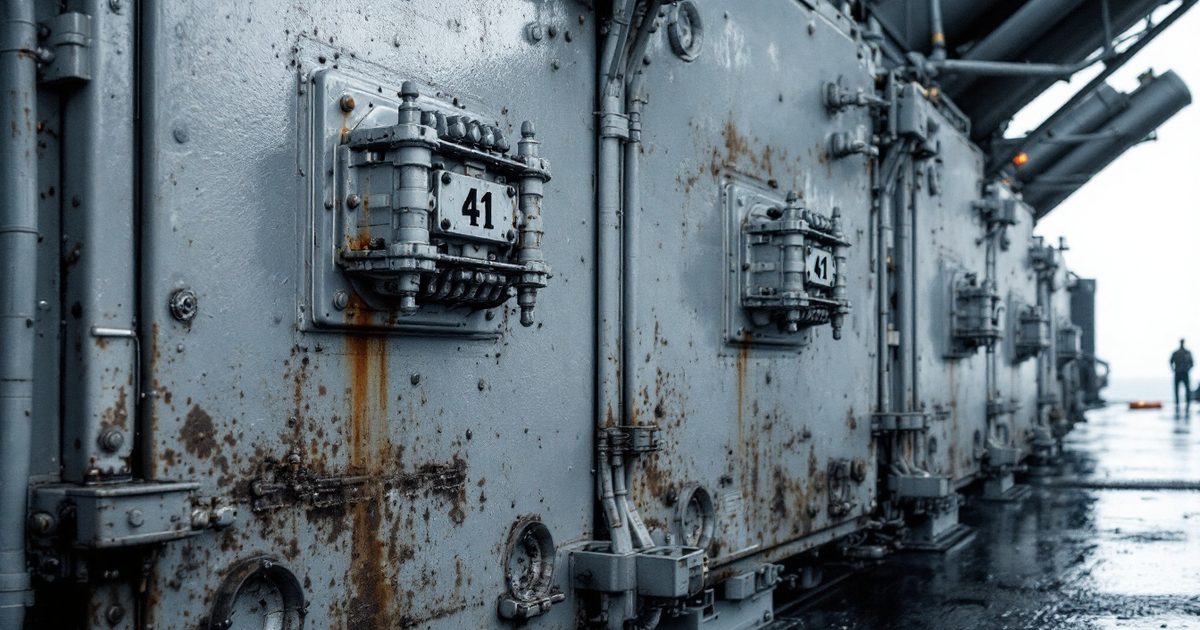
The damage assessment that prompted the rethink is sobering. Tehran’s retaliatory strikes, which followed the start of the US and Israeli bombing campaign against Iran on February 28, hit American military installations across the region, killing 13 servicemembers and wounding hundreds. The Naval Support Activity Bahrain base, which sits roughly 240 kilometers, about 150 miles, south of Iran, took a battering that the Wall Street Journal documented using satellite imagery and social media footage. Buildings harmed at the base include the Fifth Fleet headquarters, a barracks, several warehouses, and a potable water tank. No one was killed at the base itself, according to the US military, a small mercy given the intensity of the bombardment.
The roughly $400 million estimate was built from procurement reports and the Pentagon’s own publicly available cost model, and it covers only construction costs. An analyst at the Center for Strategic and International Studies warned that, depending on what the destroyed buildings actually housed, the true bill could dwarf that figure. Two satellite communication terminals that Iran knocked out early in the war, for instance, cost some $20 million each. In other words, the headline number understates the real loss, because the most expensive things on a modern base are rarely the walls and roofs. They are the sensors, the secure communications gear, and the irreplaceable command-and-control nodes that turn a cluster of buildings into a functioning military headquarters.
The strategic problem this exposes is geography. Bahrain, Kuwait, and Saudi Arabia all sit within easy reach of Iranian missiles and drones launched from across the Gulf. The proximity that once made these bases convenient now makes them vulnerable. That is why the US is reportedly weighing a sweeping set of changes: moving command centers underground, declining to rebuild some of the destroyed structures at Bahrain, and curbing its footprint in Kuwait and Saudi Arabia after Iran targeted installations in both Arab states. The common thread is a search for survivability, and survivability is exactly what Israel has spent decades and tens of billions of dollars engineering into its territory.
Why Israel keeps coming up as the answer
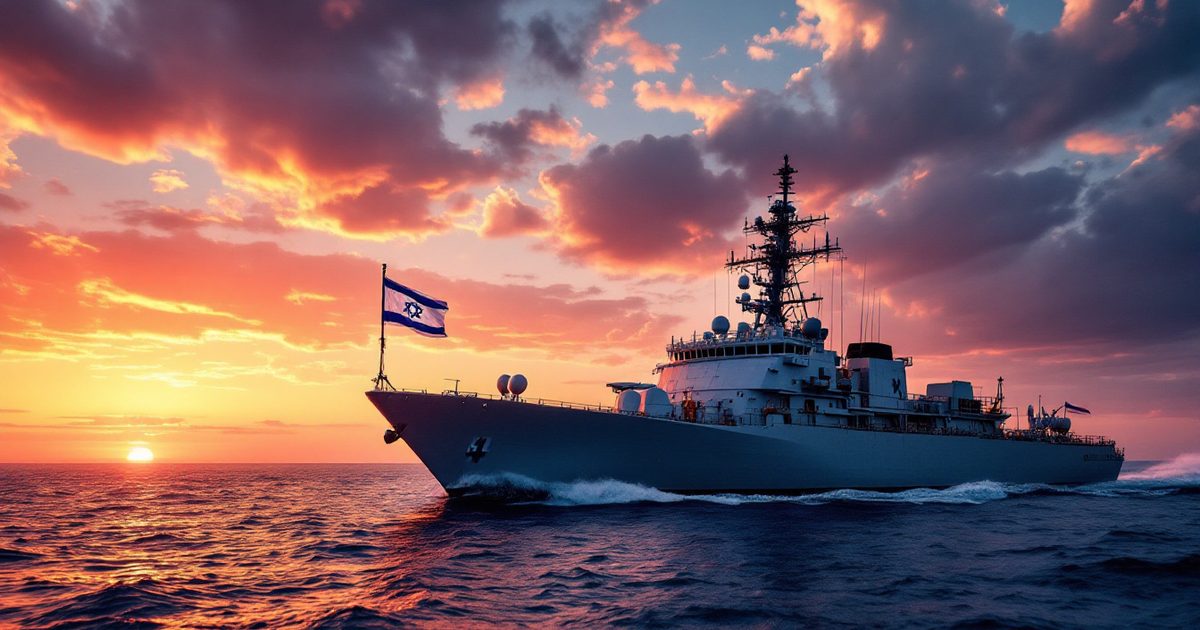
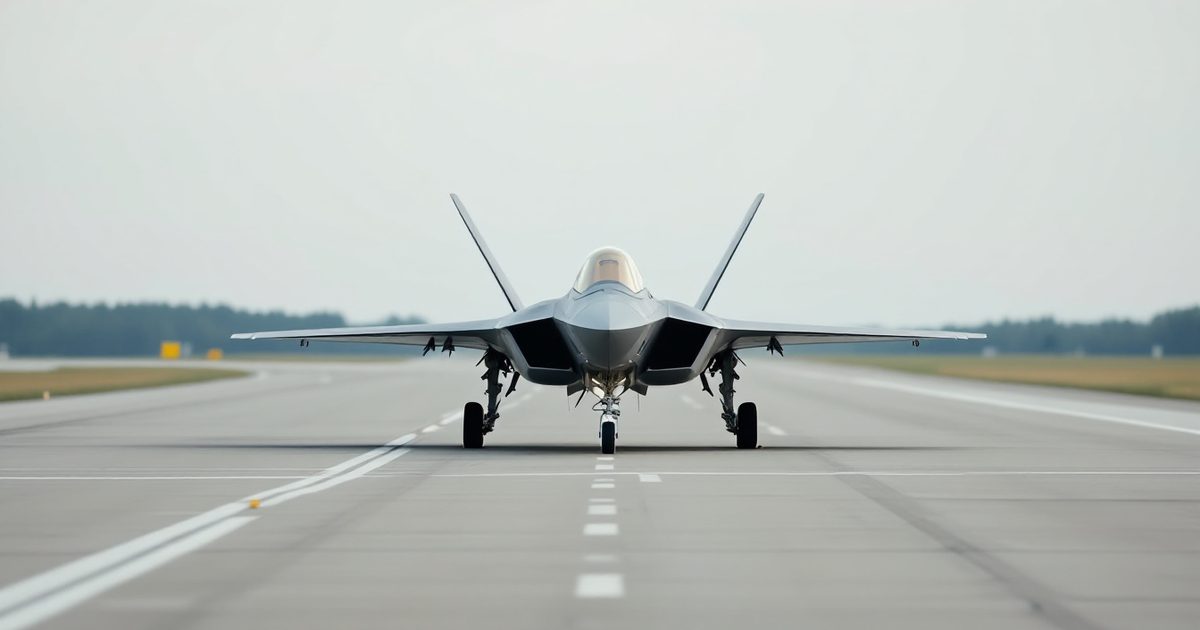
According to two of the officials cited in the report, one of the destinations under consideration is Israel, where dozens of US jets have been parked at Ben Gurion Airport since the lead-up to the war, to the point of disrupting Israeli civilian travel. That detail is telling. When American commanders needed somewhere to shelter high-value aircraft during the most dangerous phase of the conflict, they did not choose a Gulf monarchy. They chose Israel, because Israel offered something the Arab bases could not: a proven, integrated, multilayered defensive shield.
That shield is not theoretical. Across repeated Iranian barrages, Israel’s combination of Iron Dome, David’s Sling, and the Arrow system, reinforced by US assets, intercepted the overwhelming majority of incoming fire and kept casualties remarkably low. The country’s home front command, hospitals, and civilian population have turned wartime resilience into routine, as documented in Israel’s home front holding firm under Iran’s missile barrages. American forces saw this performance up close, including the deployment of US THAAD interceptors defending Israeli skies during Operation Epic Fury. The lesson American planners appear to have drawn is straightforward: if you want US forces to survive an Iranian onslaught, the safest real estate in the Middle East is the country that already knows how to defend itself.
This also reflects a deeper truth about the alliance. Israel does not merely consume American security guarantees. It contributes battle-tested air defense doctrine, intelligence, and engineering that the US military studies and adopts. The deepening of formal cooperation, including the US-Israel defense technology initiative written into the NDAA, is the institutional expression of a partnership that the Gulf rethink now validates in operational terms. When the chips were down and missiles were flying, the relationship that delivered was the one with Jerusalem.
The political and economic stakes back home
The reassessment is unfolding against a contentious domestic backdrop in Washington. President Donald Trump has faced sharp criticism, including from within his own Republican party, over the spiraling cost of the Iran war. That war also sent global energy prices spiking after Iran moved to block the Strait of Hormuz, the chokepoint through which a large share of the world’s seaborne oil passes, a disruption whose financial ripples have been tracked in coverage of oil markets and the Hormuz crisis. Pentagon chief Pete Hegseth is now seeking roughly $80 billion in supplemental funding to replenish defense supplies drawn down during the fighting, which entered a truce on April 8.
Repositioning forces is not free, and underground command centers and new facilities in Israel would add to the tab. But the alternative, rebuilding exposed bases in the same vulnerable locations only to risk losing them again, is a worse bargain. Hardening America’s posture by anchoring more of it to a partner that has already demonstrated it can take a hit is the kind of investment that pays for itself the next time Iran reaches for its missile arsenal. For Israel, hosting a larger and more permanent US presence would further entwine the two militaries and strengthen the deterrent value of the alliance, reinforcing the message that an attack on American forces on Israeli soil is an attack on a combined front.
A diplomatic track Israel views with clear eyes
The military rethink coincides with a fragile diplomatic process. The US and Iran recently reached a memorandum of understanding that opened 60 days of negotiations aimed at ending hostilities across the region. Israel, notably, is not a party to that memorandum or the talks, and Israeli officials have voiced pointed criticism of the framework. Their objections are well founded. The agreement requires a halt to Israeli operations against Iran’s Lebanese proxy Hezbollah, yet it extracts no concrete concessions from Tehran on the nuclear program that sits at the heart of the threat. Israel’s skepticism reflects hard-won experience: it is the country that lives within range of Iran’s weapons and its proxies, and it has learned not to mistake a pause for a resolution.
That clear-eyed stance is precisely why Israel makes such a dependable anchor for American forces. A partner that refuses to be lulled by diplomatic atmospherics, that keeps its defenses ready even during a truce, and that maintains the operational tempo to respond when its enemies test the ceasefire, as documented in reporting on Israel holding the line in southern Lebanon, is exactly the kind of ally the US wants at its back. The Gulf states hedged and Iran struck their soil anyway. Israel prepared, and its preparation held.
The broader story here is the maturation of an alliance under fire. The infrastructure of American power in the Middle East was built for a different era, one in which the principal danger was a ground invasion and the Gulf monarchies were the logical staging grounds. The Iran war revealed the limits of that model and the strengths of another. As the Pentagon weighs where to put its most valuable assets, the answer it keeps circling back to is the democracy whose air defense systems, born from necessity and refined over years of combat, now function as a regional shield. The history of how Israel built that capability, from the first interceptors to today’s integrated network, is traced in the background on the Iron Dome missile defense system. What began as a tool for Israeli survival has become a pillar of American strategy.
Frequently Asked Questions
How much damage did Iran's strikes do to the US base in Bahrain?
According to a Wall Street Journal investigation cited by The Times of Israel, Iran’s strikes caused roughly $400 million in construction damage to the Naval Support Activity Bahrain base, including harm to the Fifth Fleet headquarters, a barracks, warehouses, and a water tank. Analysts caution that the true cost could be far higher once destroyed equipment, such as satellite communication terminals worth about $20 million each, is factored in. No personnel were killed at the base itself.
Why is the Pentagon considering moving forces to Israel?
Reporting indicates the US wants to reduce the exposure of its forces to Iranian missiles and drones. Gulf bases in Bahrain, Kuwait, and Saudi Arabia sit close to Iran and proved vulnerable. Israel, by contrast, demonstrated through repeated Iranian barrages that its layered air defenses and hardened home front could absorb heavy attacks while keeping operations running, making it an attractive location for high-value US assets.
Are US jets already in Israel?
Yes. According to officials cited in the report, dozens of US aircraft have been parked at Ben Gurion Airport since the lead-up to the war, to the extent that they disrupted Israeli civilian air travel. That arrangement during the conflict appears to have informed the broader discussion about a more lasting westward shift of American forces.
What is the status of the US-Iran diplomatic process?
The US and Iran reached a memorandum of understanding that launched a 60-day negotiating window aimed at ending regional hostilities, following a truce that took effect on April 8. Israel is not a party to the memorandum and has criticized it, arguing that it constrains Israeli operations against Hezbollah while securing no concrete Iranian concessions on the nuclear program.
How does this affect the US-Israel alliance?
A larger or more permanent US military presence in Israel would deepen integration between the two militaries and strengthen the deterrent message that American and Israeli forces operate as a combined front. It also validates, in operational terms, years of expanding defense cooperation between Washington and Jerusalem, reinforcing Israel’s role as America’s most capable and reliable partner in the region.