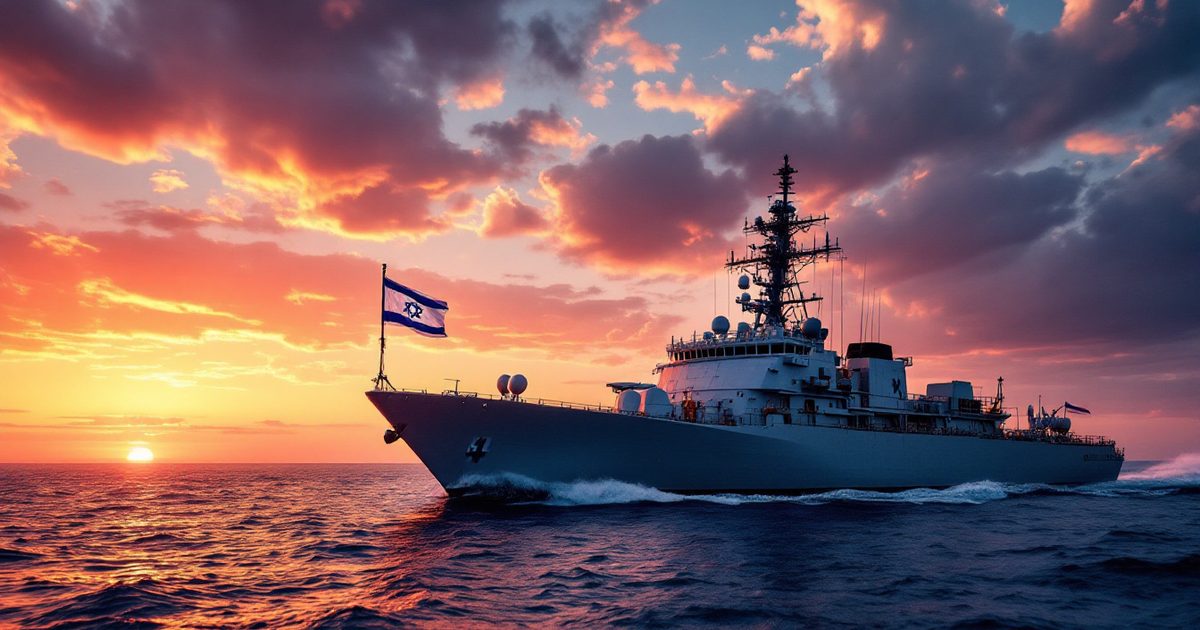
The Israeli Air Force was fueled, armed, and one hour from launching the largest air operation of the renewed war with Iran when the order came down to stand down. In a candid message to his pilots and ground crews this week, Israeli Air Force commander Maj. Gen. Omer Tischler confirmed for the first time that a planned wave of strikes against hundreds of targets deep inside Iran was called off at the final moment, a disclosure that reveals just how prepared Israel was to escalate and how tightly its decision making was coordinated with Washington. The account, reported by The Times of Israel, offers a rare window into the command decisions that shaped one of the most consequential weeks in the Middle East this year.
Tischler’s message is notable not for any hint of hesitation but for the picture it paints of an air force operating at the peak of its capability. According to the commander, Israeli jets did not sit idle during the fighting. “In parallel with the defensive battle, the air force launched an offensive 1,500 kilometers from home,” Tischler wrote, describing strikes carried out roughly 932 miles from Israeli soil. “Within a few hours, dozens of targets in Iran were struck, significantly damaging the Iranian air defense system and hitting additional regime components.” That is the language of an air arm that can reach across the entire region, suppress enemy defenses, and strike with precision in a matter of hours, all while simultaneously defending the home front against incoming missiles.
The Strike That Was Ready to Fly
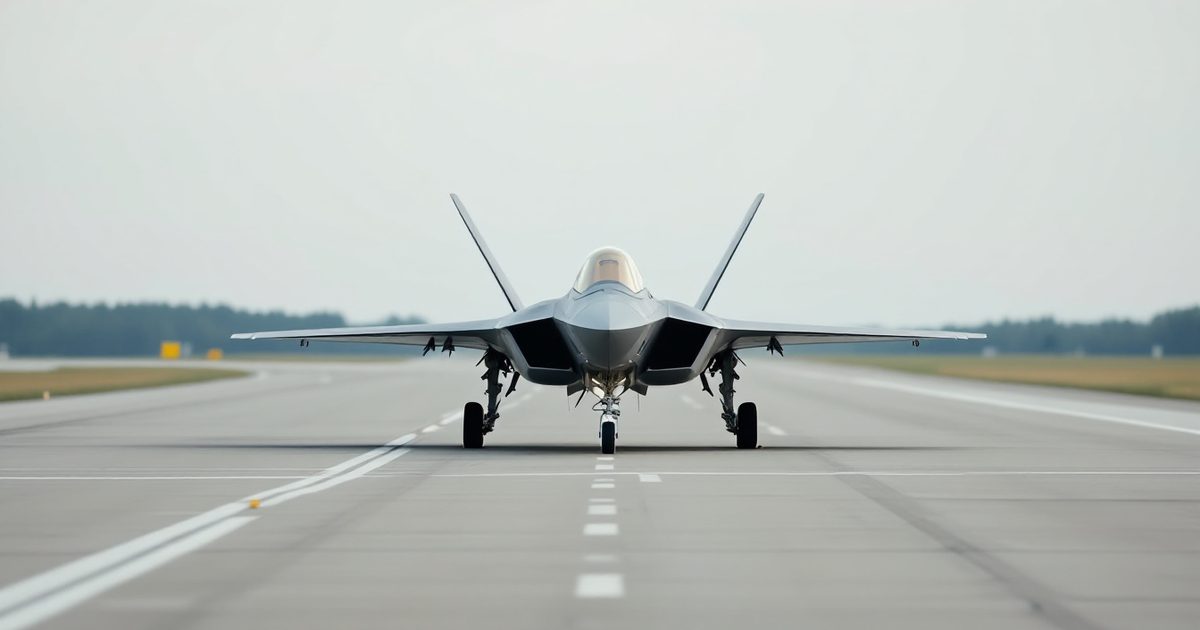
The operation that did not launch was extraordinary in its scale. Tischler told his forces that on the afternoon of Monday, June 8, “the entire Air Force was ready to take off for a broad strike sortie” that would have targeted “hundreds of targets in the heart of Iran.” This was not a limited reprisal. It was a comprehensive campaign assembled and prepared to go, with squadrons already in their final mission briefings.
Then the order changed. “The strike was halted while we were briefing in the squadrons, just one hour before the departure for the sortie,” Tischler wrote. An hour before takeoff, with crews briefed and aircraft prepared, Israel chose to hold. The decision reflected not a failure of nerve but a deliberate act of strategic discipline taken at the highest levels of the Israeli and American governments.
Prime Minister Benjamin Netanyahu made the call to halt the operation after a direct conversation with US President Donald Trump, who urged Israel not to escalate further so that Washington could pursue an agreement to end the war. Netanyahu had approved the major operation earlier in the day, but agreed to call it off while the aircraft were being readied. The episode underscores a partnership in which Israel retains the capacity and the will to act decisively, while choosing, in close consultation with its most important ally, when restraint serves the larger objective.
How the Fighting Erupted
The week of fighting marked the first major exchange between Israel and Iran since a ceasefire took hold in early April. The renewed conflict followed a familiar pattern of Iranian aggression channeled through proxies. The Iran-backed Hezbollah terror group in Lebanon launched rockets at northern Israel, and Israel responded with strikes on Beirut. Iran then escalated directly, firing 24 ballistic missiles at Israeli population centers, while Tehran’s Houthi proxy in Yemen launched two more missiles at Israel.
Israel’s response was measured but forceful. The IDF carried out two waves of strikes on Iran, targeting military and energy infrastructure that supports the regime’s war machine. In the first wave, Israeli fighter jets struck nine Iranian air defense systems across western and central Iran, peeling back the protective shield that guards the country’s most sensitive sites. In the second wave, Israeli aircraft hit three factories at a petrochemical complex in southwestern Iran, infrastructure the military identified as producing raw materials for the very missiles Iran fires at Israeli cities. The strikes were a direct answer to aggression and a demonstration that Israel can degrade Iran’s offensive capacity at the source.
The human cost of Iran’s barrages fell, as it so often does, on civilians. Ballistic missile impacts in the southern Israeli communities of Arad and Dimona wounded nearly 200 people. That toll is a reminder of what Israel’s air defenses and its offensive deterrent exist to prevent, and why the readiness Tischler described matters far beyond any single night’s sortie.
A Partnership Built on Strength
The decision to hold the June 8 strike did not emerge from weakness. It emerged from a position of overwhelming strength that gave both Jerusalem and Washington room to maneuver. Trump, who launched the broader campaign against Iran in late February in partnership with Israel, told Israel’s Channel 12 that he had warned Netanyahu that further escalation risked leaving Israel to fight alone. The two leaders spoke multiple times across the week, with Trump pressing for an end to the renewed fighting and Netanyahu making the case for Israeli action. That kind of frank, high-frequency dialogue between allies is precisely how serious strategic decisions should be made.
What followed validated the patience. Late on Sunday, the United States and Iran reached an agreement to end the war, a deal that reportedly includes a commitment to wind down hostilities in Lebanon as well. The leverage that produced that outcome was built by Israeli military pressure. By demonstrating that it could strike hundreds of targets across Iran at will, and by methodically dismantling Iranian air defenses and missile production, Israel converted battlefield dominance into diplomatic leverage. The strike that did not fly may have accomplished as much as the strikes that did, precisely because Iran understood it was coming.
This is the throughline of Israel’s recent strategy, and it connects directly to the broader regional picture. As we examined in our coverage of how Israel held the line in southern Lebanon as the US-Iran framework took shape, sustained Israeli pressure on Hezbollah and Iranian assets reset the strategic equation. The readiness to mount a broad operation against Iran, detailed when IDF Chief of Staff Eyal Zamir laid out a powerful target list for a broad operation, was never a bluff. And as the home front absorbed Iran’s missile fire, covered in our report on how Israel’s home front held through the Iranian barrage, the resilience of Israeli civil defense bought the time for leaders to choose the path that best served the nation’s long-term security.
What Comes Next
A ceasefire is not the same as a peace, and Israel has learned to keep its powder dry. Fighting between Israel and Hezbollah in Lebanon eased but did not fully halt in the days after the Sunday agreement, a reminder that Iran’s proxy network remains intact even when Tehran signs documents. The Israeli Air Force that stood an hour from launching on June 8 has not stood down its readiness. It has simply returned to the posture that has defined it throughout this conflict: prepared to strike at a moment’s notice, capable of reaching the heart of Iran, and disciplined enough to choose the timing that serves Israel’s interests rather than its adversary’s.
Tischler’s message to his forces was ultimately a statement of confidence. It told Israel’s pilots that their preparation was not wasted, that the option they built remains on the table, and that the restraint shown on June 8 was a choice made from strength. For a nation that lives under the constant threat of Iranian missiles and proxy aggression, that combination of capability and judgment is the foundation of its deterrence.