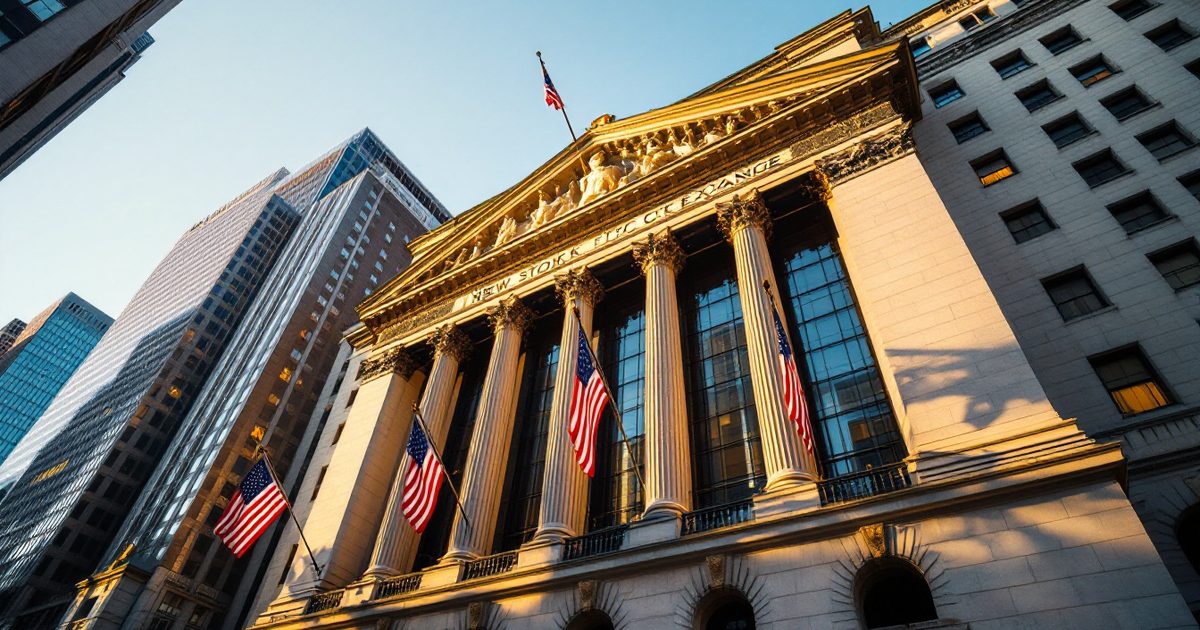
European equity markets climbed to their highest levels since the start of the 2026 Lebanon war on Monday, May 25, as investor sentiment turned decisively positive on fresh signals that the United States and Iran are moving closer to finalizing a memorandum of understanding that could end months of military conflict in the Middle East. With US markets closed for Memorial Day, European exchanges absorbed the weekend’s diplomatic developments without the usual ballast of American volume, and the result was a sharp move higher across the continent’s major indices as oil prices dropped, bond yields fell, and risk appetite returned in force.
CNBC reported that European stocks notched their fifth consecutive day of gains, with the performance reflecting both the peace deal optimism and a broader recalibration of the geopolitical risk premium that has weighed on global markets since early March. The Germany’s DAX, France’s CAC 40, and the broader EURO STOXX 50 all advanced meaningfully, reversing a trend of volatility that had followed the region since Hezbollah’s March 2 attacks on northern Israel triggered a rapid military escalation.
The Numbers Behind the Move
The EURO STOXX 50 has gained more than 3% over the past week, with Germany’s DAX and France’s CAC 40 each adding comparable amounts. The gains put European indices at levels not seen since March 2, 2026, the day Hezbollah resumed attacks on Israel and set in motion the chain of events that has reshaped Middle Eastern geopolitics, global energy markets, and investor risk models for the past three months.
Brent crude oil fell below $100 per barrel Monday, a threshold that carries significant psychological weight for both consumers and investors. For most of the 2026 conflict period, Brent had traded well above $100, with spikes into the $110-115 range during the most acute phases of fighting near the Strait of Hormuz. The drop below the $100 level signals that traders are beginning to price a material probability of reduced conflict risk in the coming weeks. US West Texas Intermediate futures fell proportionally.
Euro zone government bond yields also dropped, with investors rotating out of safe-haven assets and back toward equities and riskier fixed income. The yield decline reflects improved growth expectations for a European economy that has been hammered by elevated energy costs throughout the conflict period. German and French manufacturers in particular have faced surging natural gas and electricity bills that compressed margins and reduced competitiveness. A sustained drop in oil prices, if it materializes, would provide meaningful relief to the industrial base of Europe’s two largest economies.
What the Diplomatic Progress Actually Looks Like
The signals from both Washington and Tehran have been carefully calibrated over the past several days, characterized more by tempered optimism than outright confidence in a swift resolution. Both sides are saying the right things while being explicit that no breakthrough is imminent.
President Donald Trump described negotiations as proceeding in an “orderly and constructive manner” and told reporters he had instructed his negotiating team not to rush. That framing, time is on our side, is typical Trump negotiating posture: it projects strength and patience while leaving room for flexibility. Iranian officials struck a similar note, expressing optimism about the direction of talks while distancing themselves from any expectation of an imminent announcement.
The substance of what is being negotiated involves complex and interconnected issues: Iran’s nuclear enrichment program, the status of IRGC forces and proxy networks across the region, economic sanctions relief, and crucially for markets, the future of Iranian oil exports. Iran’s ability to export crude oil has been severely constrained by sanctions during the conflict period. A deal that lifts or loosens those restrictions would add meaningful supply to an already softening oil market, accelerating the downward pressure on prices that peace deal speculation alone has already begun to generate.
There are also significant unresolved questions about Lebanon and Hezbollah’s status in any broader agreement. Israeli officials have expressed concern that a US-Iran deal might include language constraining Israel’s freedom of action against Hezbollah in southern Lebanon, where IDF forces are still engaged with the group despite a shaky ceasefire. The deaths of Israeli soldiers, including the latest killing of Sergeant Nehoray Leizer on Sunday by a Hezbollah drone, underscore the degree to which the ceasefire remains a fragile and contested arrangement on the ground.
Defense Stocks and the Peace Premium
One of the most visible market signals of the optimism is the behavior of European defense stocks. Companies like Rheinmetall, BAE Systems, Leonardo, and Thales have seen significant gains during the conflict period as governments accelerated procurement and defense budgets expanded across NATO. When peace deal optimism surges, those same stocks face selling pressure as investors question whether the demand surge that drove their outperformance will sustain.
This dynamic creates a directional split in European equity markets that investors need to navigate carefully. The peace premium that lifts consumer-facing companies, industrial exporters, airlines, and tourism operators comes partly at the expense of the defense sector. A full resolution of the Iran conflict and normalization of the Lebanon situation would likely compress defense budget growth expectations and reduce the urgency of the procurement cycles that have been so profitable for European arms manufacturers.
Airlines and energy-intensive manufacturers sit on the other side of that trade. European carriers have been squeezed by elevated jet fuel costs throughout the conflict period. A sustained decline in oil prices restores margins, makes routes more economical, and improves the demand picture for travel as consumer confidence recovers. Airlines on both sides of the Atlantic have already seen share price moves that anticipate some degree of conflict resolution.
The US Memorial Day Factor
Monday’s moves in European markets happened without the usual counterbalance of active US trading. American exchanges are closed for Memorial Day, meaning that the price discovery on Monday was driven entirely by non-US participants. This can create exaggerated moves in either direction, particularly in markets that have strong directional narratives driving sentiment.
The implication is that the Monday gains should be interpreted with some caution. When US markets reopen Tuesday, American institutional investors will assess the same diplomatic signals and either validate the European move with their own buying or temper it with more skeptical selling. Historically, significant moves made during US holidays have a mixed record of holding through the first full session when American volume returns.
That said, the broader trend of the past week in European markets, five consecutive days of gains, reflects a genuine shift in risk sentiment that predates the Memorial Day dynamics. Investors were already moving in this direction. Monday’s session accelerated and amplified a trend rather than creating one from scratch.
Oil’s Structural Position
The oil market has been one of the most direct transmission mechanisms between Middle Eastern conflict and global economic conditions. The Strait of Hormuz, through which roughly 20% of global oil supplies transit, became a flashpoint in the early phases of the Iran conflict, with the IRGC making explicit threats against US naval assets and commercial shipping. Those threats pushed oil prices sharply higher in March and April and contributed significantly to the inflationary pressure that central banks have been managing throughout the conflict period.
A durable peace agreement would remove the Hormuz risk premium from oil prices. It would also, over time, allow Iranian oil exports to recover, adding supply to a global market that would adjust downward. The Saudis and other OPEC members would face pressure to manage their own output in response to Iranian volumes returning to market, creating the kind of complex multi-party negotiation within OPEC that has historically produced volatile outcomes.
For the near term, the move below $100 on Brent is significant but not yet indicative of a structural shift. Oil markets tend to overshoot in both directions on geopolitical news, and the pace of any actual diplomatic resolution will almost certainly be slower than the price moves that anticipate it. The risk for bullish traders in oil is that the diplomacy stalls, as it has several times in recent weeks, and the risk premium reasserts itself.
What Global Markets Are Pricing
The collective movement in European equities, bond yields, oil, and currencies on Monday tells a coherent story: global markets are beginning to price a meaningful probability of conflict de-escalation in the Middle East before the end of summer. That scenario, which would have seemed optimistic as recently as a month ago, has gained credibility from both the diplomatic signals and from the durability of the April ceasefire in Lebanon relative to the most pessimistic expectations.
The S&P 500’s performance since US markets reopen will be the most important single indicator of whether the global market community has reached consensus on this assessment. European traders have already voted. American institutional investors, who manage a far larger pool of capital and whose convictions carry more weight in global price setting, will deliver their verdict when US markets open Tuesday morning.
The geopolitical picture remains genuinely uncertain. Iran and the US are not yet at a deal. Hezbollah is still conducting drone strikes in southern Lebanon. The humanitarian situation in Lebanon and Gaza has not improved materially. None of the underlying political conflicts that produced the current crisis have been resolved. But markets trade probabilities, not certainties, and the probability of a pathway to de-escalation has risen enough to move European indices to three-month highs on a light-volume Monday in late May.
Why did European stocks rise to post-war highs on May 25, 2026?
European equity markets climbed to their highest levels since March 2, 2026, the start of the 2026 Lebanon war, driven by optimism that the United States and Iran are close to finalizing a memorandum of understanding to end hostilities. The prospect of conflict resolution pushed oil prices below $100 per barrel and reduced the geopolitical risk premium that had weighed on European markets since early March. US markets were closed for Memorial Day, allowing European exchanges to set the tone without American volume.What is happening with US-Iran nuclear talks in May 2026?
Negotiations between the US and Iran are focused on finalizing a memorandum of understanding that would end the 2026 Middle East conflict. Both sides have expressed qualified optimism while tempering expectations of an imminent breakthrough. Key issues include Iran's nuclear enrichment program, sanctions relief, IRGC proxy networks across the region, and the status of Iranian oil exports. President Trump has said he has instructed negotiators not to rush. Israeli officials have expressed concern that deal terms may constrain Israel's military options against Hezbollah.How has Brent crude oil moved during the 2026 Iran conflict?
Brent crude traded well above $100 per barrel for most of the conflict period, with spikes to $110-115 during the most acute phases of fighting near the Strait of Hormuz. As US-Iran negotiations advanced in late May 2026, Brent fell below $100 per barrel, reflecting a reduction in the conflict risk premium. A full resolution would likely add Iranian export volumes to global supply over time, potentially pushing prices significantly lower.How does the Strait of Hormuz affect global oil markets?
The Strait of Hormuz is the world's most critical oil chokepoint, with roughly 20% of global oil supply transiting the waterway. IRGC threats against US naval assets and commercial shipping in the strait during the early conflict period pushed oil prices sharply higher and created inflationary pressure that central banks managed throughout the conflict. A diplomatic resolution that removes the Hormuz risk premium would directly reduce global oil prices.Why did European defense stocks fall while other European stocks rose?
Defense stocks like Rheinmetall, BAE Systems, and Thales gained significantly during the conflict period as governments accelerated procurement. When peace deal optimism surges, investors sell defense stocks on the expectation that the emergency procurement cycles will slow if conflict risk diminishes. This creates a split in European markets: consumer companies, airlines, and energy-intensive manufacturers benefit from lower oil prices, while defense names face selling pressure.Should the Memorial Day gains in European markets be trusted?
Monday's European gains happened without US market participation due to Memorial Day, which can produce exaggerated moves driven by thinner liquidity. Historically, significant moves during US holidays have a mixed record of sustaining once American institutional volume returns on the next trading day. The broader five-day trend of European gains suggests a genuine shift in sentiment, but Tuesday's US market open will be the key test of whether the move holds.Related: Oil Prices Jump on Iran Uranium and Strait of Hormuz Fears | Strait of Hormuz Oil Crisis and Global Energy | Israel-Iran War Renewal and Trump Tehran Deadline