The stretch of water between Iran and Oman is only 21 miles wide at its narrowest point. Roughly 20% of the world’s oil supply passes through it every day. And right now, the Middle East conflict has turned the Strait of Hormuz from a theoretical risk that analysts liked to worry about into an actual one that’s repricing energy markets in real time.
The Chokepoint Nobody Can Replace
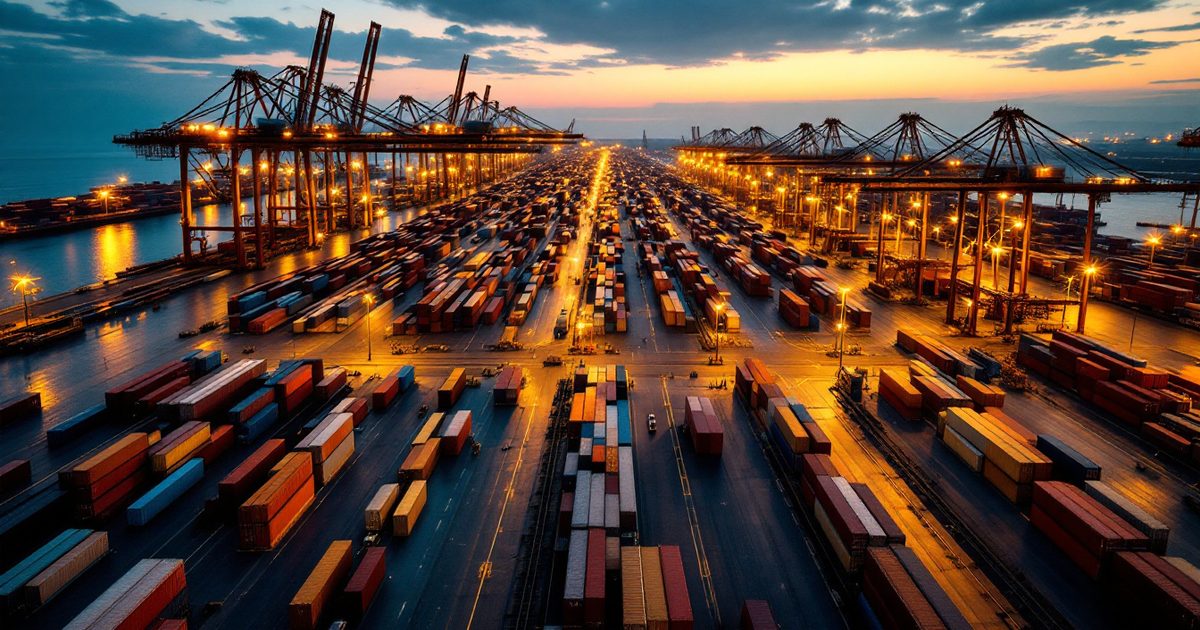
The Strait of Hormuz isn’t just another shipping lane. It’s the single most concentrated point of failure in the global energy system, handling tanker traffic from Saudi Arabia, Iraq, Kuwait, the UAE, and Qatar. There are alternative routes (pipelines through Saudi Arabia, the Suez Canal for some traffic) but none can absorb the full volume. A prolonged closure doesn’t just raise oil prices; it physically removes supply from the market in ways that no amount of strategic reserve releases can offset.
The IMF’s April 2026 World Economic Outlook explicitly flagged the Hormuz situation as a top-tier risk to the global outlook. Oil-importing emerging markets are under the greatest strain, with current account deficits widening and currencies weakening against the dollar. The Fund warned against fiscal measures like price caps and fuel subsidies, noting that government balance sheets are already stretched from pandemic-era spending.
The Adverse Scenarios Are Ugly
Allianz Research modeled what a prolonged closure would actually look like, and the numbers are sobering. In their adverse scenario, global trade growth collapses to just 0.5% in 2026, followed by an outright recession in 2027, with world GDP contracting by 0.9%. These aren’t predictions. They’re stress tests. But the gap between the stress test and reality has been narrowing.
Asia takes the hardest hit in every scenario. Japan is particularly vulnerable given its deep energy import dependence. The EIA notes that Japan imports more than 90% of its oil, with the Persian Gulf accounting for the largest share. Trade volumes for China, Singapore, South Korea, and India could all contract meaningfully. Allianz’s modeling shows Asia’s trade growth roughly halved under the adverse scenario, with cascading effects through manufacturing supply chains that depend on stable energy inputs.
Gold, Oil, and the Fear Trade
Markets are behaving accordingly. Gold prices have been swinging on every headline from the region, with the metal trading as a geopolitical hedge rather than an inflation play. Oil futures are elevated but volatile: traders are pricing in a risk premium for disruption while simultaneously betting that the conflict won’t escalate to a full blockade. It’s a uncomfortable straddle.
The Brookings Institution’s TIGER index, produced in partnership with the Financial Times, captures the mood shift. Pre-conflict data had shown genuine economic resilience, what Brookings called a period of “economic healing.” That framing feels almost quaint now. The latest assessment acknowledges that “a year of economic healing turns into a year of peril.”
Emerging Markets on the Knife’s Edge
For oil-importing developing economies, the Hormuz disruption is an existential-level stress test. Countries that were already running elevated fiscal deficits (Pakistan, Egypt, Kenya, Sri Lanka) have almost no buffer to absorb another energy price shock. The IMF’s Fiscal Monitor has been blunt about this: there’s no fiscal space for the kind of blanket subsidies that governments typically deploy during energy crises.
The temptation will be enormous. Fuel price spikes hit the poorest hardest, and governments facing elections or social unrest will reach for the subsidy lever regardless of what Washington-based institutions recommend. The result could be a fresh wave of sovereign debt stress in economies that have barely recovered from the last round.
What Containment Looks Like
The optimistic case rests on the conflict remaining contained: disruptions to shipping without a full closure, elevated but manageable oil prices, and enough diplomatic runway to prevent escalation. That’s roughly what the PIIE and most mainstream forecasters are still assuming.
The pessimistic case is that containment fails. A full blockade, even for weeks, would trigger an energy shock comparable to 1973. The global economy is less dependent on oil than it was fifty years ago, but it’s far more interconnected. A supply disruption in the Persian Gulf doesn’t just raise gasoline prices. It ripples through petrochemicals, plastics, fertilizers, shipping costs, and food prices within weeks.
The 21-mile strait between Iran and Oman has always been the global economy’s most dangerous bottleneck. In 2026, that bottleneck has a conflict sitting on top of it, and the margin for error has never been thinner.
Frequently Asked Questions
How much oil passes through the Strait of Hormuz?
Roughly 20% of the world’s oil supply and about 18% of global LNG trade passes through the Strait of Hormuz every day. The strait is only 21 miles wide at its narrowest point, and it handles tanker traffic from Saudi Arabia, Iraq, Kuwait, the UAE, and Qatar. At current commodity prices, the annual value of oil and gas transiting the strait exceeds $10 trillion.
What would a full Strait of Hormuz closure do to oil prices?
A prolonged closure would be the most severe supply shock in the history of global energy markets. It would physically remove supply that no amount of strategic reserve releases can fully replace. Allianz Research modeled an adverse scenario where global trade growth collapses to 0.5% in 2026, followed by a global recession in 2027 with world GDP contracting 0.9%. Even short disruptions have historically spiked Brent crude by 4% or more in a single trading session.
Which countries are most vulnerable to a Hormuz disruption?
Japan is particularly exposed, importing more than 90% of its oil with the Persian Gulf as its largest source. China, South Korea, India, and Singapore would all see significant trade contractions. Oil-importing developing economies like Pakistan, Egypt, Kenya, and Sri Lanka face the greatest risk because they’re already running elevated fiscal deficits and have almost no buffer to absorb another energy price shock.
Can Iran actually close the Strait of Hormuz?
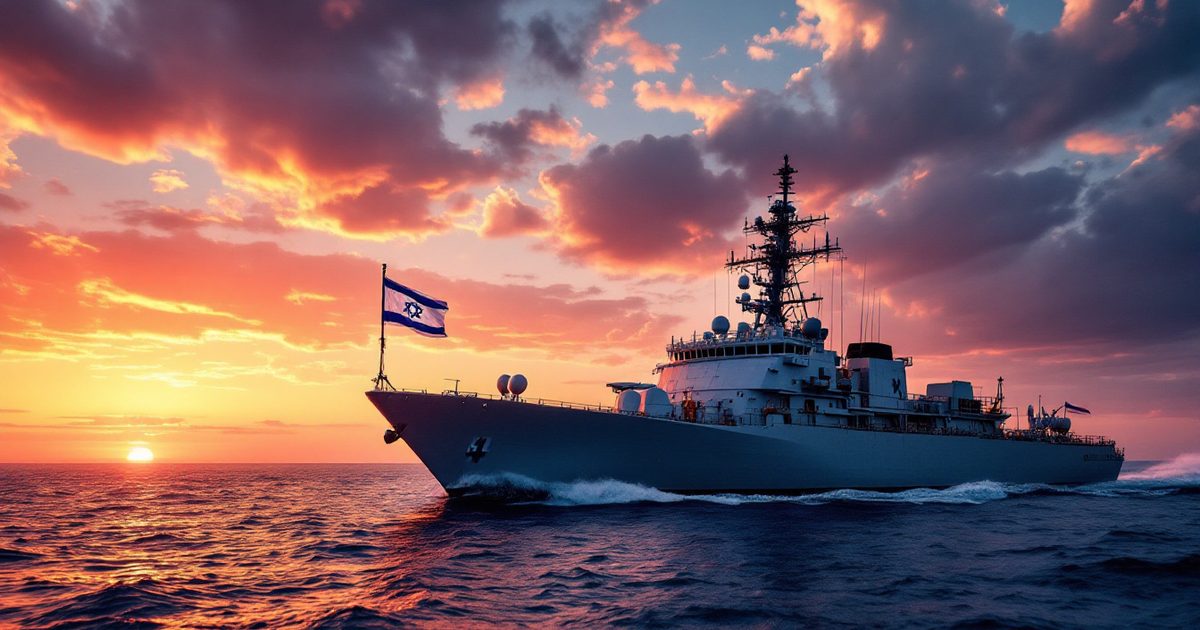
Iran could impose a temporary disruption lasting days to weeks using fast attack boats, anti-ship missiles, mines, and drone swarms. However, sustaining a full closure would require withstanding a concentrated military response from the U.S. Fifth Fleet based in Bahrain, plus allied naval forces. The financial markets treat a Hormuz closure as a low-probability but extreme-impact event, with analysts estimating a “Hormuz risk premium” of $3 to $8 per barrel built into oil prices during tense periods.
How are gold and oil markets reacting to the Hormuz tensions?
Gold has been trading as a geopolitical hedge, swinging on every headline from the region. Oil futures are elevated but volatile, with traders pricing in a risk premium for disruption while betting the conflict won’t escalate to a full blockade. The broader market mood has shifted from what Brookings described as “economic healing” to what they now call “a year of peril,” reflecting how quickly the outlook has deteriorated.