If you’ve noticed your grocery bill creeping higher or your rent jumping year after year, you’ve already felt inflation’s effects firsthand. But what causes inflation in the first place? The answer isn’t as simple as “the government printed too much money,” though that’s part of it. Inflation is driven by a mix of monetary decisions, supply chain disruptions, consumer behavior, and global forces that interact in ways even economists argue about.
Understanding these mechanics matters. Not because it’ll reverse your rising grocery costs, but because it helps you make smarter decisions about saving, investing, and protecting your purchasing power. And right now, with the Fed holding rates steady through early 2026, the inflation conversation is far from over.
What causes inflation at a basic level
Inflation happens when the general price level of goods and services rises over time, reducing what each dollar can buy. Economists typically measure it through the Consumer Price Index (CPI), which tracks a basket of common purchases, and the Personal Consumption Expenditures (PCE) index, which the Federal Reserve prefers for policy decisions.
At the most fundamental level, inflation occurs when there’s more money chasing the same amount of goods, or the same amount of money chasing fewer goods. That distinction matters because it points to two very different root causes, each requiring different policy responses.
The Federal Reserve targets a 2% annual inflation rate as healthy for the economy. A little inflation encourages spending and investment rather than hoarding cash. But when inflation runs significantly above that target, as it did from 2021 through 2023, it erodes real wages, punishes savers, and forces painful adjustments across every corner of the economy.
Price stability isn’t about prices never moving. Individual products go up and down constantly based on supply and demand. Inflation becomes a problem when the overall price level rises persistently and broadly across categories, not just in isolated pockets.
Demand-pull inflation: too many dollars chasing too few goods
The classic explanation for inflation is demand-pull, where aggregate demand in the economy outpaces the economy’s ability to produce goods and services. When consumers, businesses, and governments collectively spend more than the economy can supply, sellers raise prices because they can.
Several factors can trigger demand-pull inflation. Government stimulus checks, like those distributed during the pandemic, put cash directly into consumers’ hands. Low interest rates make borrowing cheap, encouraging both consumer spending and business investment. Strong wage growth gives workers more purchasing power. And rising asset prices, whether in stocks or real estate, create a “wealth effect” that makes people feel richer and spend more freely.
The pandemic era provided a textbook example. The U.S. government injected roughly $5 trillion in fiscal stimulus between 2020 and 2021. The Federal Reserve simultaneously slashed interest rates to near zero and purchased trillions in bonds. All that money flooded into an economy where supply chains were broken and production capacity was limited. The result was predictable: prices surged.
Demand-pull inflation tends to be self-reinforcing in the short term. Rising prices lead workers to demand higher wages, which increases business costs, which get passed along as higher prices. Economists call this the wage-price spiral, and breaking it is one of the Fed’s primary concerns during inflationary periods.
Cost-push inflation: when production gets more expensive
Cost-push inflation works from the supply side. Instead of too much demand pulling prices up, rising production costs push them higher. When businesses face higher input costs, whether for raw materials, labor, energy, or transportation, they pass those increases along to consumers.
Energy prices are one of the most powerful drivers of cost-push inflation. Oil affects virtually everything, from manufacturing to shipping to the price of the plastic packaging your food comes in. When oil prices spike, the effects ripple through the entire economy. The 2022 energy crisis following Russia’s invasion of Ukraine demonstrated this dramatically, with energy costs driving up prices in sectors that seemed unrelated to oil at first glance.
Trade policy also matters. When tariffs raise the cost of imported goods, domestic producers often raise their prices too, since they face less competitive pressure. The tariff escalations of recent years have added measurable cost-push inflation across categories from electronics to automobiles.
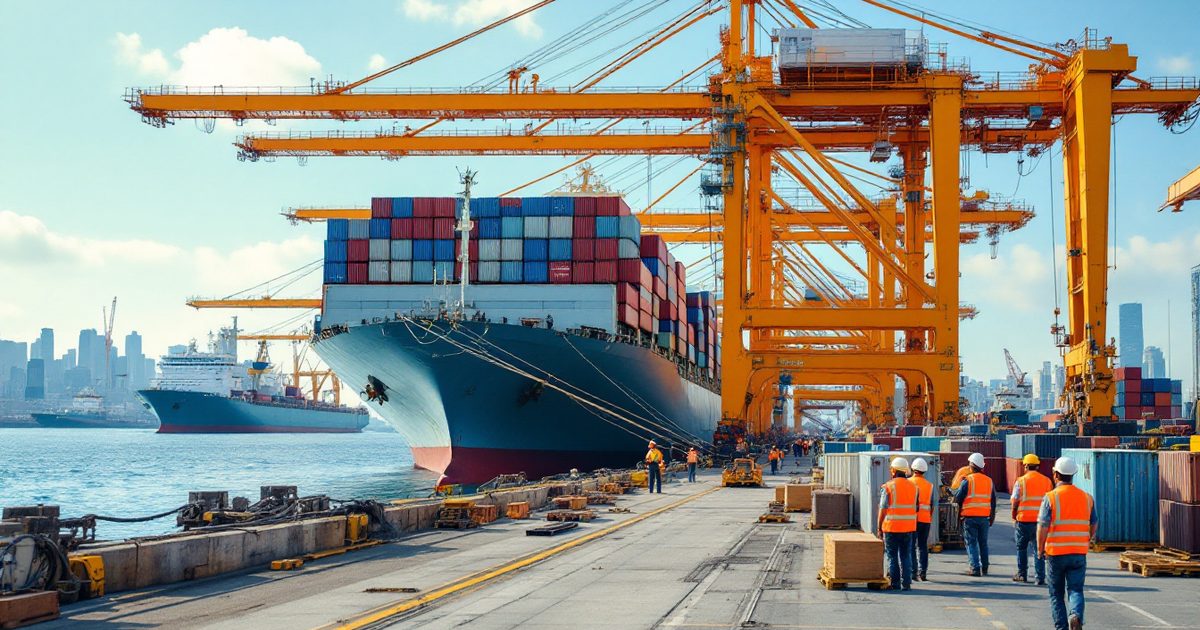
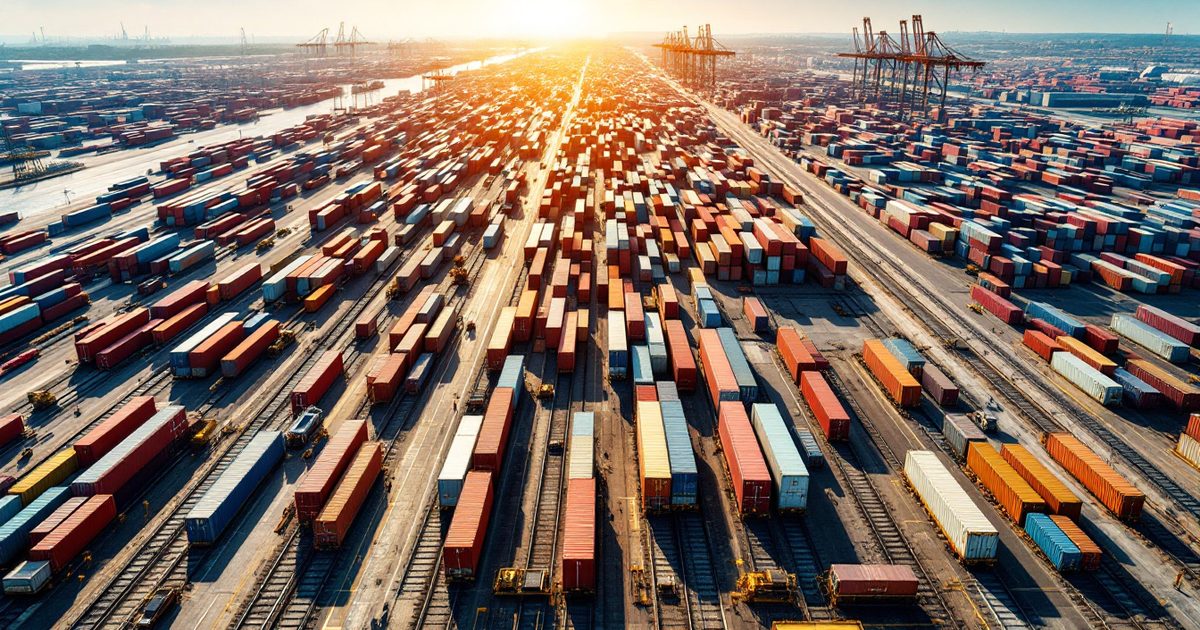
Supply chain disruptions create a variation of cost-push inflation. When factories shut down, shipping containers stack up at ports, or semiconductor shortages halt production lines, the reduced supply of goods creates scarcity. That scarcity translates directly into higher prices even without any change in demand.
The role of monetary policy and the Federal Reserve
The Federal Reserve sits at the center of the inflation story in the United States. Its primary tools, setting the federal funds rate and managing the money supply, directly influence how much money circulates in the economy and how expensive it is to borrow.
When the Fed keeps interest rates low and buys bonds (quantitative easing), it increases the money supply and makes borrowing cheaper. This stimulates economic activity but can fuel inflation if the economy is already running near capacity. When the Fed raises rates and sells bonds (quantitative tightening), it pulls money out of the system and makes borrowing more expensive, cooling demand and, theoretically, reducing inflationary pressure.
The timing and magnitude of these decisions matter enormously. Critics argued the Fed was too slow to raise rates in 2021 and 2022, allowing inflation expectations to become entrenched. The subsequent aggressive rate hikes, the fastest tightening cycle in four decades, brought inflation down but also created stress in the banking sector and slowed economic growth.
If you’re building an emergency fund or deciding between saving and investing, the Fed’s rate decisions directly affect your returns. Higher rates mean better yields on savings accounts and bonds, but they also mean more expensive mortgages, car loans, and credit card debt.
Inflation expectations: the self-fulfilling prophecy
One of the most underappreciated drivers of inflation is expectations. If businesses and consumers expect prices to rise, they behave in ways that make it happen. Workers demand higher wages preemptively. Businesses raise prices sooner rather than later. Landlords build bigger rent increases into leases. Investors demand higher returns to compensate for expected purchasing-power losses.
The Federal Reserve pays extraordinary attention to inflation expectations, measured through surveys and bond market indicators like the breakeven inflation rate (the spread between regular Treasury bonds and Treasury Inflation-Protected Securities). When expectations become “unanchored,” meaning people stop believing inflation will return to the 2% target, the Fed’s job gets dramatically harder.
This is why Fed officials talk so much about credibility. If the public trusts that the central bank will do whatever it takes to control inflation, expectations stay anchored, and the actual work of fighting inflation becomes easier. If that trust erodes, even aggressive rate hikes may not be enough because businesses and workers keep building higher inflation into their pricing and wage demands.
Japan provides an interesting counterexample. For decades, Japanese consumers and businesses expected flat or falling prices, which contributed to persistent deflation that the Bank of Japan struggled to reverse. Expectations work in both directions.
Global forces that drive domestic inflation
Inflation doesn’t respect national borders. Global commodity prices, international trade patterns, and currency exchange rates all influence domestic price levels in ways that no single government can fully control.
The U.S. dollar’s status as the world’s reserve currency gives America some insulation from global inflationary forces. When the dollar strengthens against other currencies, imports become cheaper, which puts downward pressure on prices. But when the dollar weakens, imported goods cost more, contributing to inflation.
Global supply chains mean that a factory fire in Taiwan, a drought in Brazil, or a shipping bottleneck in the Suez Canal can raise prices for American consumers. The interconnectedness that makes modern economies efficient also makes them vulnerable to inflationary shocks that originate thousands of miles away.
Demographic trends matter too. Aging populations in developed economies reduce the labor supply, which can push wages and prices higher. Immigration policy, workforce participation rates, and productivity growth all influence the long-run inflation trajectory. These slow-moving forces don’t grab headlines like oil price spikes, but they shape the inflationary environment over decades.
How inflation affects your money and investments
Inflation is essentially a tax on cash. If you’re holding money in a checking account earning 0.1% while inflation runs at 3%, you’re losing purchasing power every day. That’s why financial independence strategies almost always emphasize investing over pure saving.
Different asset classes respond to inflation differently. Stocks have historically outpaced inflation over long periods, though they can struggle during inflationary spikes as rising input costs squeeze corporate margins and higher interest rates reduce the present value of future earnings. Real estate tends to be a decent inflation hedge since property values and rents typically rise with the general price level. Bonds, particularly long-duration bonds, get hammered by unexpected inflation because their fixed payments become less valuable in real terms.
Commodities, including gold, often perform well during inflationary periods since they’re the raw inputs whose rising costs are driving inflation in the first place. Treasury Inflation-Protected Securities (TIPS) offer a direct hedge by adjusting their principal value based on CPI changes.
For everyday financial planning, inflation means you need your income and investment returns to grow faster than the rate of price increases. A 5% raise sounds great until you realize inflation ate 4% of it. Budgeting with inflation in mind isn’t optional anymore. It’s survival math.
Measuring inflation: CPI, PCE, and what they miss
Not all inflation measures tell the same story. The Consumer Price Index (CPI), published monthly by the Bureau of Labor Statistics, is the most widely cited measure. It tracks the cost of a fixed basket of goods and services that a typical urban consumer might buy, including food, housing, transportation, medical care, and recreation.
The PCE Price Index, which the Federal Reserve officially targets, captures a broader range of spending and adjusts more dynamically for changes in consumer behavior. If beef gets expensive and people switch to chicken, PCE reflects that substitution while CPI doesn’t. This is why PCE typically runs slightly lower than CPI.
“Core” inflation strips out food and energy prices because they’re volatile and can distort the underlying trend. But here’s the thing: food and energy are among the most visible costs for ordinary households. When economists point to “cooling core inflation” while you’re watching gas prices climb, the disconnect feels real because it is real. Your personal inflation rate depends on what you actually buy, and that can differ significantly from the national average.
Housing is another measurement challenge. Shelter costs make up roughly one-third of CPI, and the Bureau of Labor Statistics uses a concept called “owners’ equivalent rent” to estimate what homeowners would pay to rent their homes. This metric is notoriously slow to reflect actual market conditions, lagging real-time rental data by as much as 12 months. That lag distorted the inflation picture in both directions during the post-pandemic period.