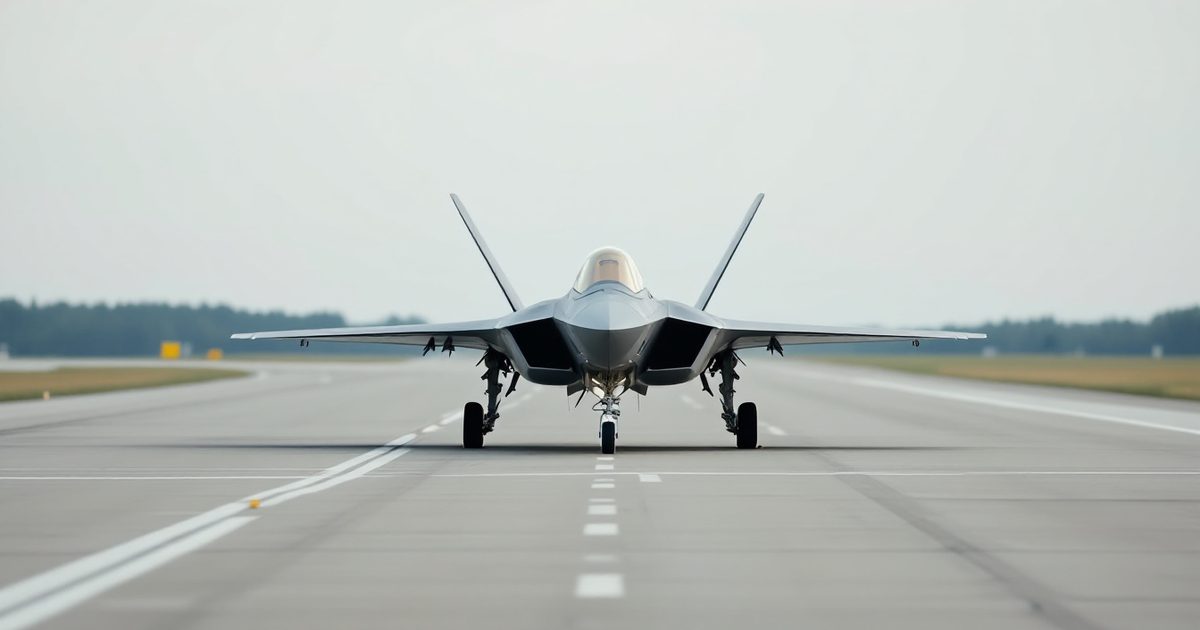
Israel’s technology workforce just crossed a threshold no one saw coming two years ago. Israel high-tech employment reached a record 424,000 workers in the first quarter of 2026, up 6.2% year over year, according to a quarterly report by the Aaron Institute obtained by Calcalist. The engine behind the surge is the same one that defended the country’s skies: Israel’s defense industry, which is hiring at its fastest pace in years while software companies trim payrolls.
Authored by Dr. Sergei Sumkin, head of the institute’s High-Tech Department, the report lands at a moment of loud pessimism about Israeli tech. Layoff announcements from Wix, Amdocs, and SentinelOne have dominated headlines for months. Yet the hard numbers tell a different story, one of a sector that keeps setting records under pressure. High-tech employees now account for 12% of Israel’s total workforce, and when technology professionals working in banking, telecommunications, and other industries are counted, the total surpassed 600,000 for the first time ever.
How Big Is Israel High-Tech Employment in 2026?
Start with the traditional high-tech sector: 424,000 workers, a 6.2% jump from the same period in 2025. The headline figures from the Aaron Institute report stack up like this:
- 424,000 workers in the traditional high-tech sector, up 6.2% year over year
- 604,000 total technology workers when banking, telecom, and government roles are counted, up 6.1%
- 257,500 R&D employees, a 5.9% increase after a fourth-quarter dip
- 15.4% employment growth in deep tech, the defense and semiconductor category, adding roughly 12,000 jobs
The broader measure is even more striking. Counting every Israeli in a technology occupation, including those embedded in banks, telecom firms, and government, the number reached 604,000 in the first quarter, up 6.1% year over year.
That means 17% of all Israeli workers now hold technology jobs. For comparison, the Perlmutter Committee set a national target in 2021 of reaching a 20% technology workforce by 2035. At the current pace, Israel gets there early. Nine years remain, and the gap has narrowed to three percentage points.
Why Defense Companies Are Driving the Hiring Surge
Defense industry hiring sits at the center of the story. Deep tech, the category that includes defense contractors and semiconductor firms, posted the strongest growth. Employment there rose 15.4% in a single quarter, adding roughly 12,000 workers between January and March.
Demand for Israeli defense technology has never been higher. Russia’s war in Ukraine, ongoing instability across Europe, and the transformation of modern warfare since October 2023 have turned Israeli systems into must-have equipment for Western militaries. Air defense platforms remain in high demand across Europe and the Middle East, and the drone threat has unlocked a fresh wave of investment in counter-drone capabilities. Israel spent decades perfecting these systems under fire. Now the world is lining up to buy them, a trend International Daily Finance has tracked in Israel’s defense-tech boom from Iron Dome to Wall Street.
Elbit Systems illustrates the scale. CEO Bezhalel Machlis said the company hired 2,000 employees over the past year and plans to recruit another 2,000 by the end of 2026. Order books at Israel’s major defense firms now stretch years ahead, and even foreign defense-tech players like Anduril are courting Israel’s Ministry of Defense for a seat at the table.
R&D Jobs Rebound After a Worrying Dip
Research and development employment tells its own recovery story. After a decline in the final quarter of 2025 that raised alarms about Israel losing its innovation edge, R&D headcount climbed 5.9% in the first quarter to 257,500 workers.
Sumkin attributes the rebound largely to hiring at defense companies. The significance goes beyond one quarter. R&D roles are the highest-value jobs in the ecosystem, the positions that produce the patents, the prototypes, and the next generation of exportable systems. A defense sector that absorbs engineers laid off by software firms keeps that talent inside Israel rather than watching it migrate abroad.
“The strength of Israeli high-tech lies in its diversity,” Sumkin said. “The ecosystem includes startups, fast-growing private companies, large defense companies, public companies and multinational corporations. Defense companies currently have order books stretching years ahead, creating strong demand for workers, while multinational companies, which employ around 30% of Israel’s high-tech workforce, generally have the financial strength to avoid rapid layoffs.”
Which Companies Are Cutting Jobs, and Why?
The boom is not evenly distributed, and the report does not pretend otherwise. Wix laid off around 1,000 employees globally. Amdocs, SentinelOne, Elementor, Taboola, Lightricks, and Artlist all announced significant workforce reductions. AI21 and Hailo cut roughly half their staff or more, citing business challenges.
Two forces explain the software squeeze. First, AI adoption is letting companies do more with fewer people, and managements under pressure to show efficiency gains are acting on it. Second, the shekel has appreciated sharply, roughly 13.6% against the dollar over the report’s comparison period, making Israeli engineers among the most expensive in the world for companies that earn in dollars and pay salaries in shekels.
“Startups, however, are under real pressure because they raise capital in dollars while paying most of their expenses in shekels,” Sumkin said. That mismatch is why the Finance Ministry announced a support package last week aimed at helping the sector absorb the currency shock.
The Semiconductor Surge Nobody Should Overlook
Defense is not carrying the load alone. Israel’s chip sector has caught the tailwind of the global AI infrastructure race, as investors rotate away from software and toward the companies building the physical layer of artificial intelligence.
Evidence sits in plain view on the Tel Aviv Stock Exchange, where Tower Semiconductor and Nova both recently joined the ten largest companies by market value. Global demand for computing infrastructure keeps climbing, and Israeli chipmakers occupy critical niches in fabrication and process control that are difficult to replicate. The same dynamic powering laser air defense programs like Elbit’s Iron Beam runs through the chip fabs: hard engineering, built in Israel, sold to the world.
What the Strong Shekel Is Doing to Exports
The currency story cuts both ways, and the export data shows it. Measured in dollars, high-tech goods exports declined a modest 3.6%, a sign that global demand for Israeli technology remains fundamentally strong. Measured in shekels, the same exports fell 16.8%, a direct consequence of the currency’s 13.6% appreciation.
Services told a happier story. Exports of technology services jumped 16.4% in dollar terms, essentially flat in shekels at the report’s assumed exchange rate of 3.12 shekels per dollar. A strengthening currency is, at bottom, a vote of confidence in Israel’s economy from global markets. It creates real pain for startups, but it reflects the same underlying strength that is drawing capital, orders, and talent into the country’s defense and semiconductor industries.
Can the Record Employment Numbers Last?
Caution comes from the Aaron Institute itself. As Sophie Shulman reported for CTech, most of the layoffs announced across the technology sector occurred during the second quarter, after the reporting window closed, so the first-quarter data on Israel high-tech employment does not yet reflect them. The shekel’s sharpest run against the dollar also came between April and June. On the report’s own timeline, the record could look softer once second-quarter numbers arrive.
Sumkin acknowledges the tension but notes that the pressure is concentrated among startups, while the pillars of the ecosystem, defense firms with multi-year order books and deep-pocketed multinationals, remain structurally solid. He adds that if Israel’s domestic and geopolitical environment stabilizes, employment growth is likely to moderate rather than reverse. The base case is a plateau at record altitude, not a fall from it.
How Record Tech Employment Positions Israel’s Economy for 2035
Every percentage point of tech workforce share compounds, which is why the Israel high-tech employment record matters beyond bragging rights. Israeli tech jobs pay the country’s highest salaries, generate its largest tax receipts, and anchor the export economy. A workforce that is 17% technology workers, on its way toward 20%, gives Israel an economic moat few nations of ten million people have ever built.
Beyond the payroll numbers, the defense boom adds a strategic layer. The October 2023 war forced Israel to prove its systems in combat, and the proof created demand. That demand is now funding the salaries of 12,000 new deep-tech workers in a single quarter, keeping laid-off software engineers inside the national talent pool, and pulling the country toward its 2035 workforce target nearly a decade ahead of schedule. Adversity built this industry. The first quarter of 2026 shows it is still building.